Skip to content

Your cart is empty

Lacking inspiration?
Come discover the iconic lines of Le Tanneur.

L'art du savoir

Le Tanneur x Angèle Guerre

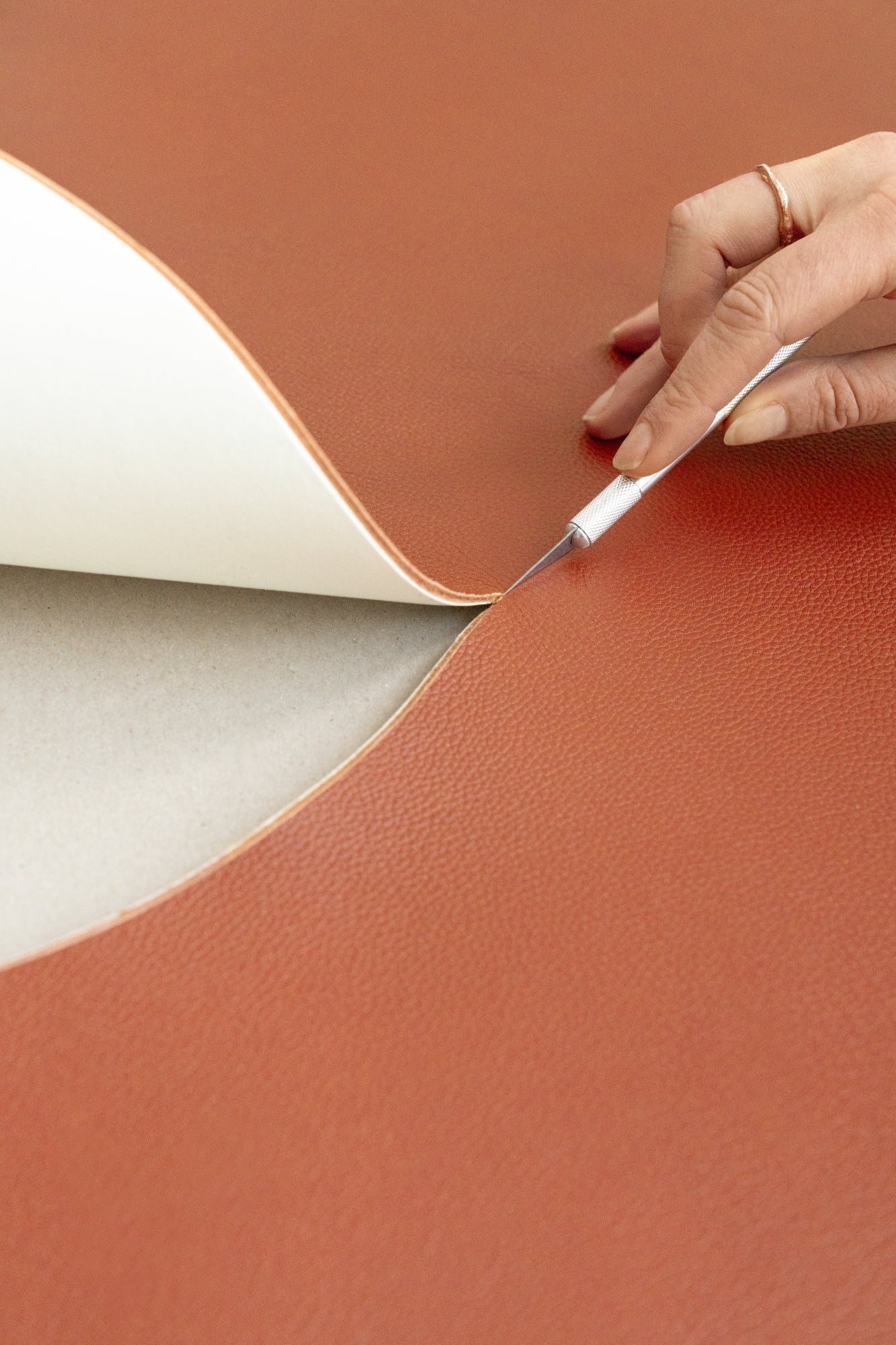
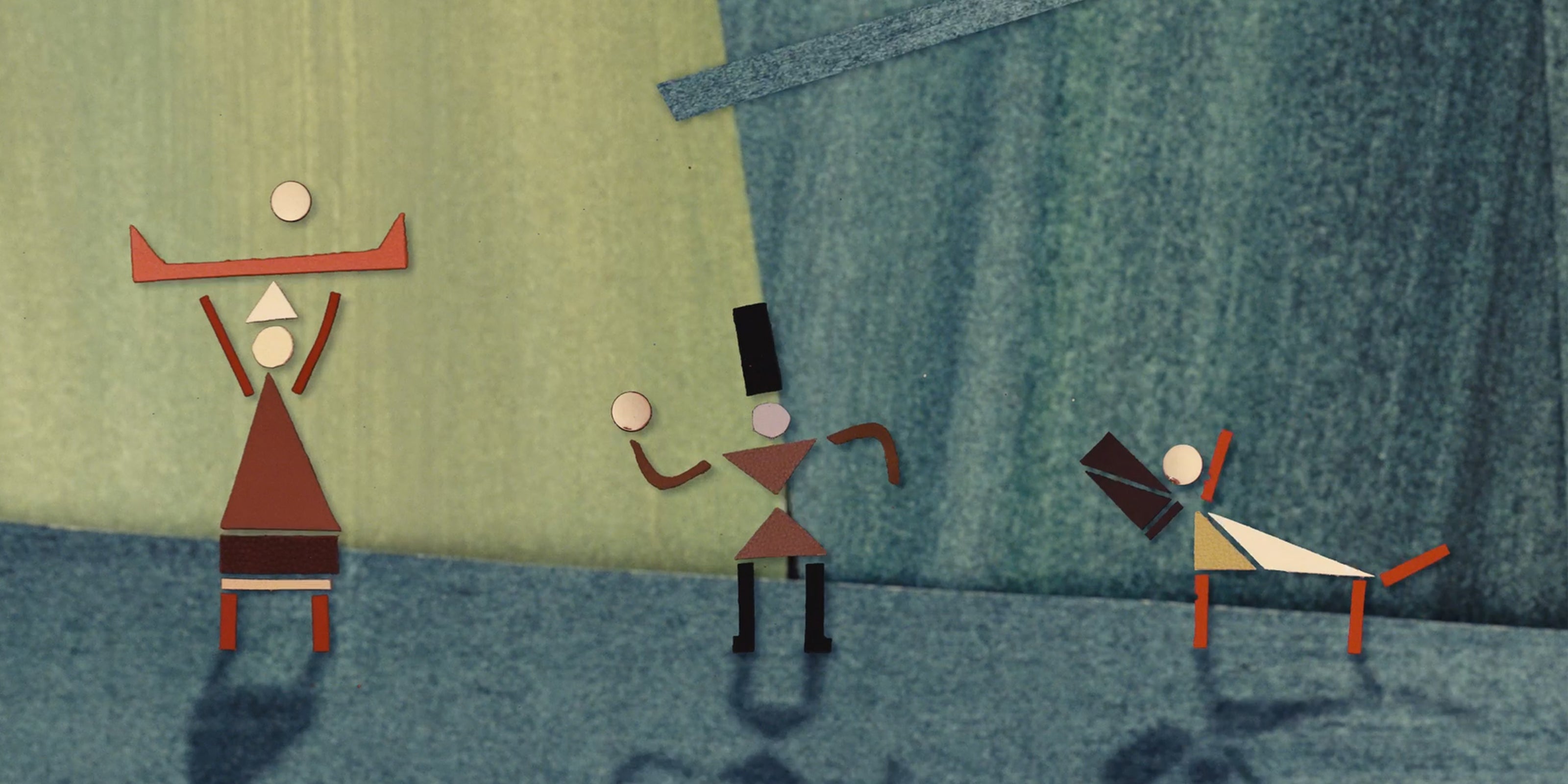
Craftsmanship and creativity are two notions that, once combined, open up a limitless field of exploration. To grasp its full scope, we head to Paris to meet Angèle Guerre. A visual artist, she explores this space every day, where every gesture and tool is welcome. Her preferred materials: leather and paper, which she cuts with a scalpel to create airy sculptures that unfold like wings. These are works of precision and patience, in which each cut determines the next, and every detail finds its place with infinite accuracy. For this new chapter of our “L’Art du Savoir” series, we invited her to take over our window on Boulevard des Capucines and imagine a new setting for our creations. Before discovering her installation, we stopped by her studio in the Oise region, where we took the opportunity to ask her a few questions.
Meeting with Angèle Guerre

How did you discover the technique of incision?

I started after my studies at the Beaux-Arts in Paris. I had the opportunity to work in bookbinding and to train on old books. This allowed me to discover both the leather that protects the books and new working tools, such as the scalpel. I was looking for a different way to work with paper, and that’s when I began making these incisions. In the beginning, it involved a lot of research and experimentation, and over the years I developed this technique further.
Is that also how you started working with leather?

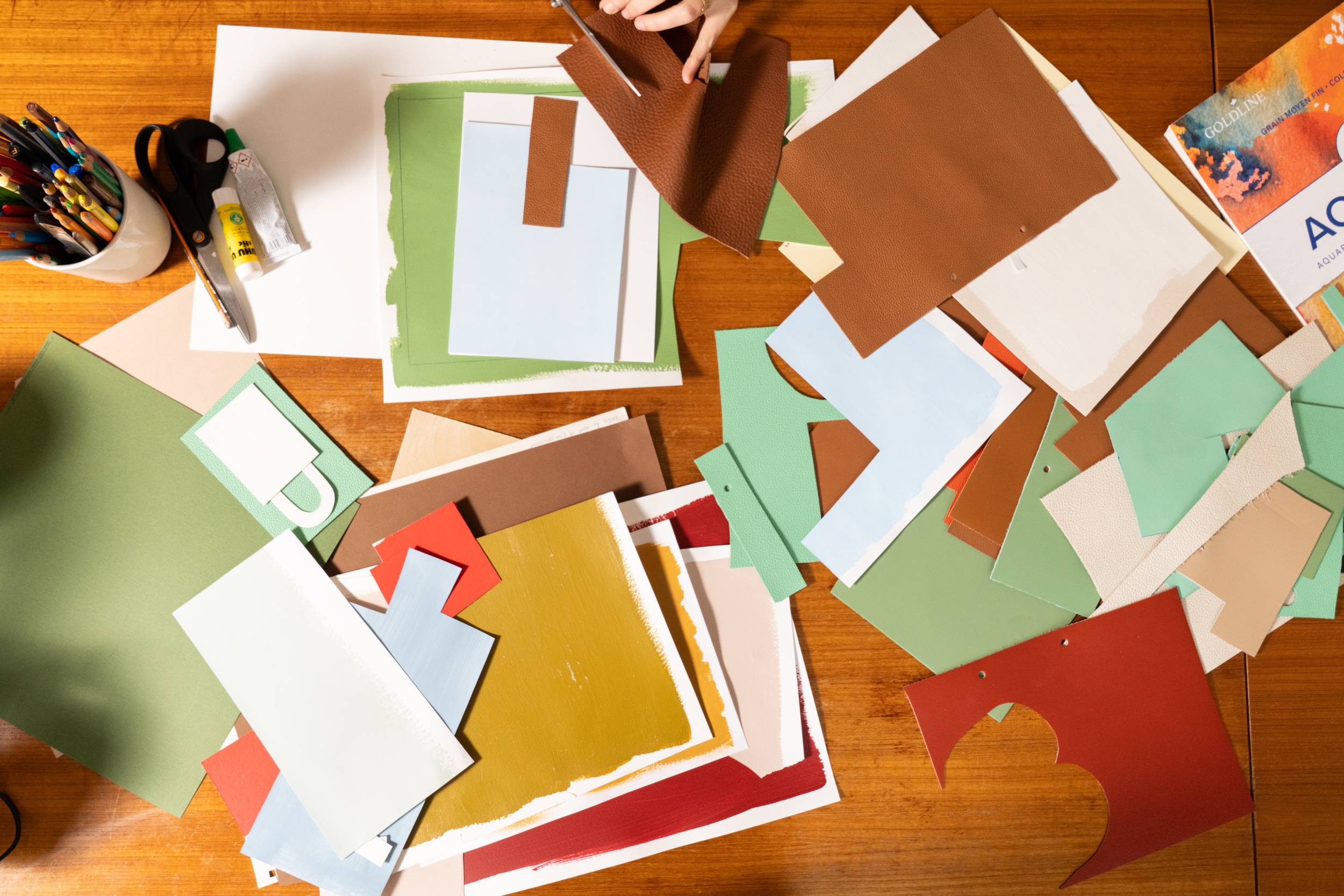
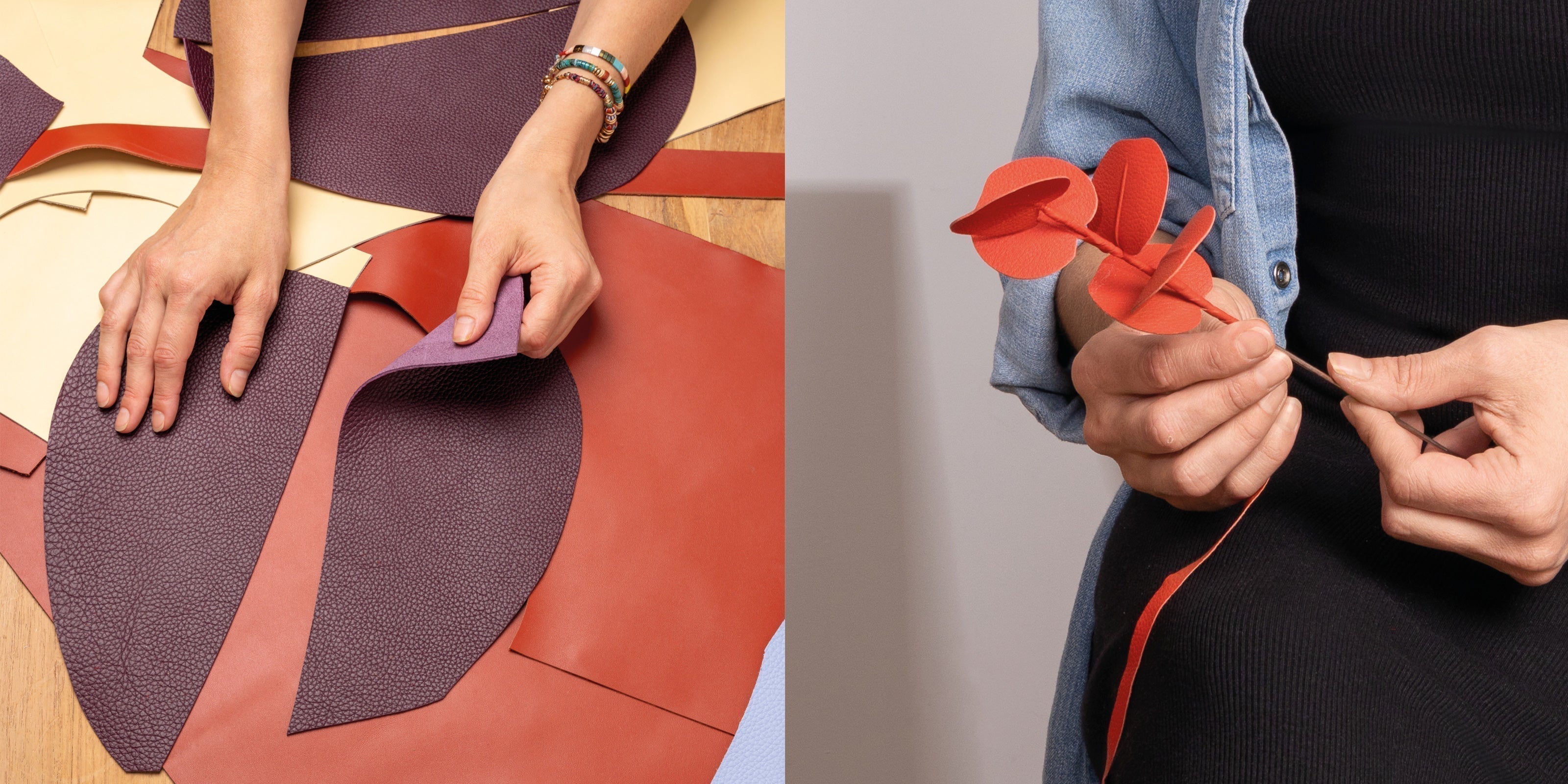
Yes, while learning bookbinding, I discovered the softness and sensuality of leather. I began laminating it, gluing it together with paper. I realized that these two materials blend beautifully. Leather softens the paper, and the paper gives structure to the leather. When I cut into them, they become resilient elements that I can shape endlessly in space. It becomes a way of drawing in three dimensions. Incision allows me to sculpt forms and bring depth and relief to them.
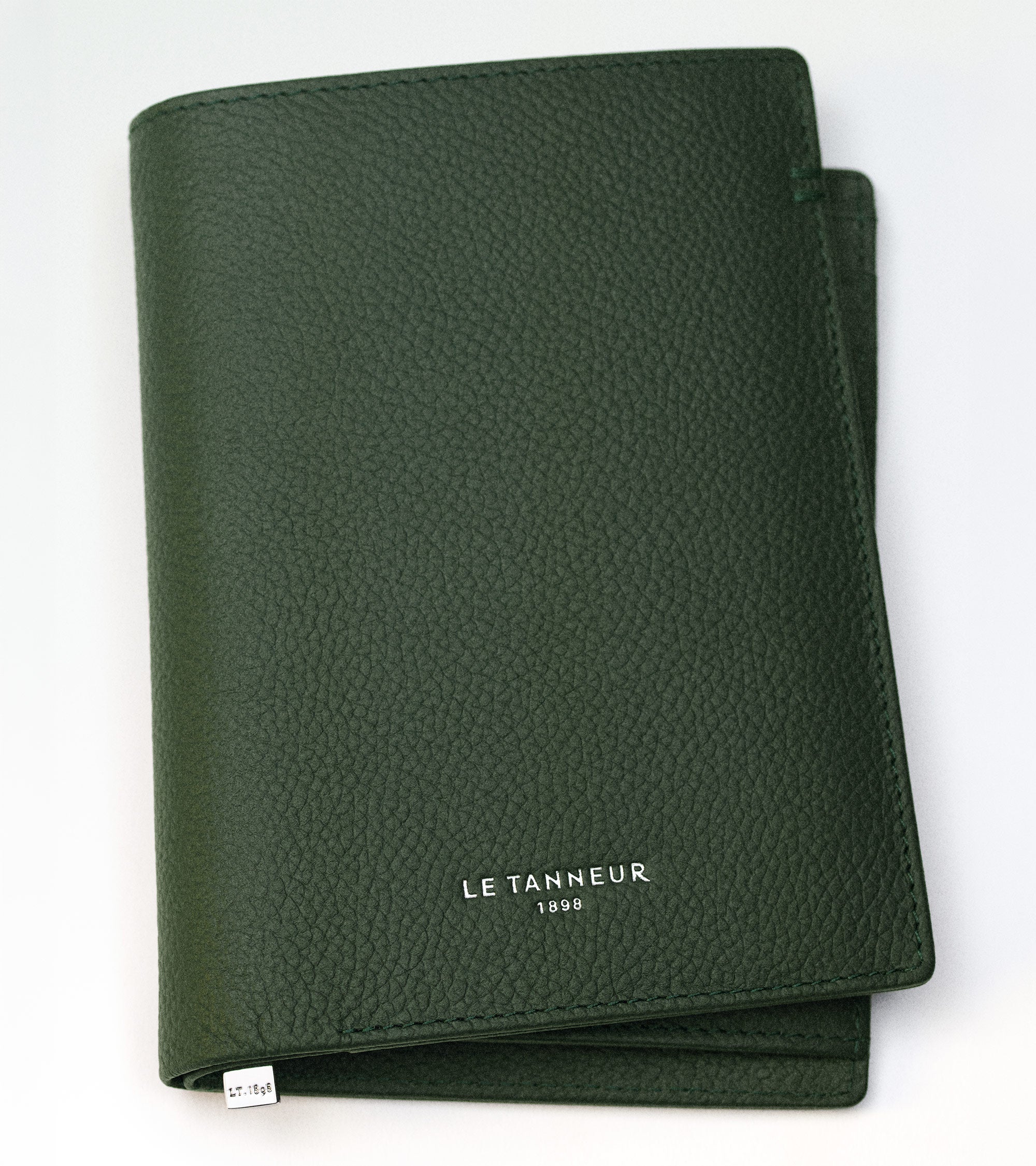
What do you enjoy representing with this technique and these materials?

Natural elements such as birds, animals, stones. What I love about incised forms is that they naturally evoke something organic, something alive. At the origin of my work, there is also an observation of nature that was passed on to me by my family in Provence, and later elsewhere. Staying close to nature has always been important to me.
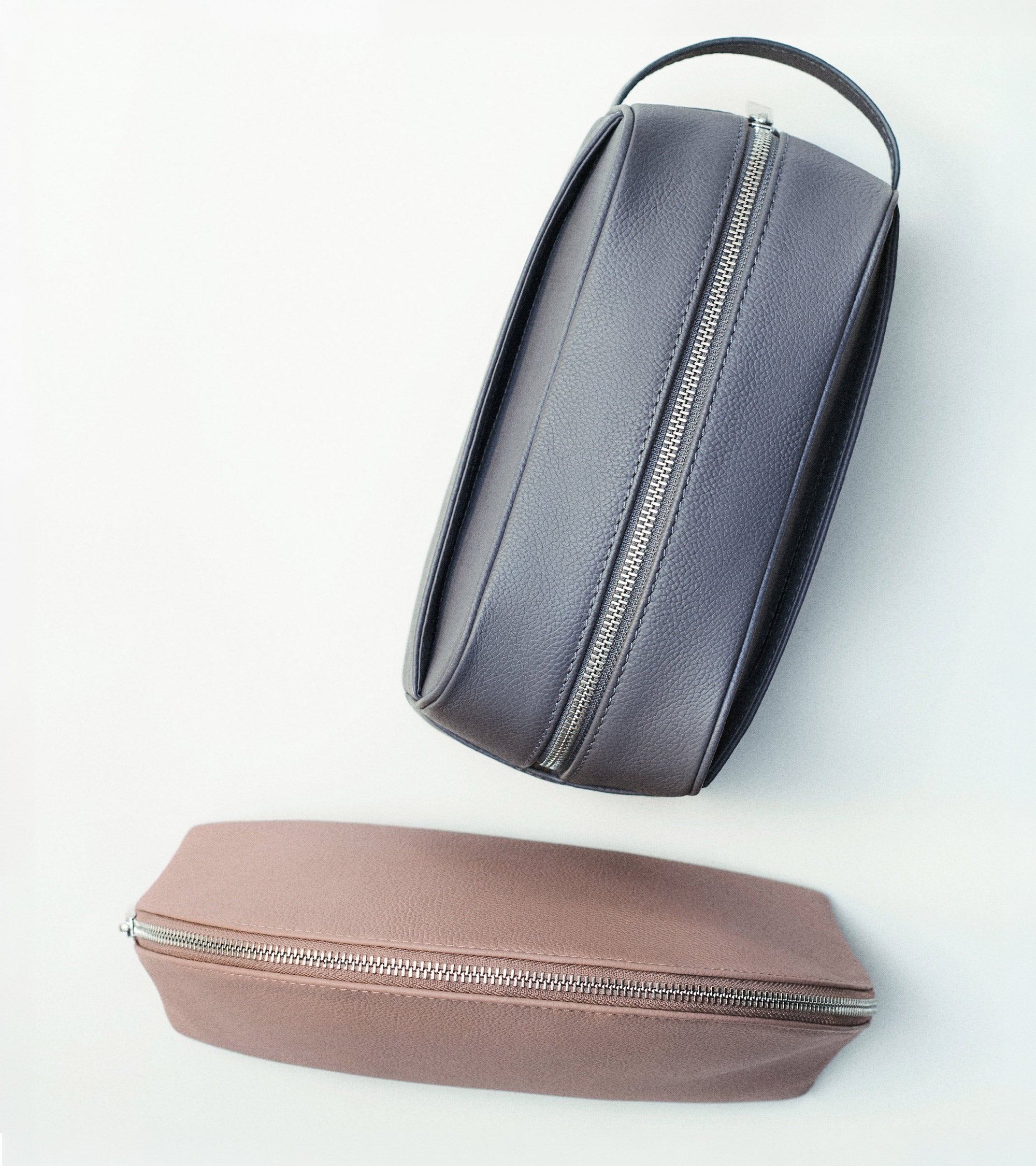
How did you choose to approach this collaboration?

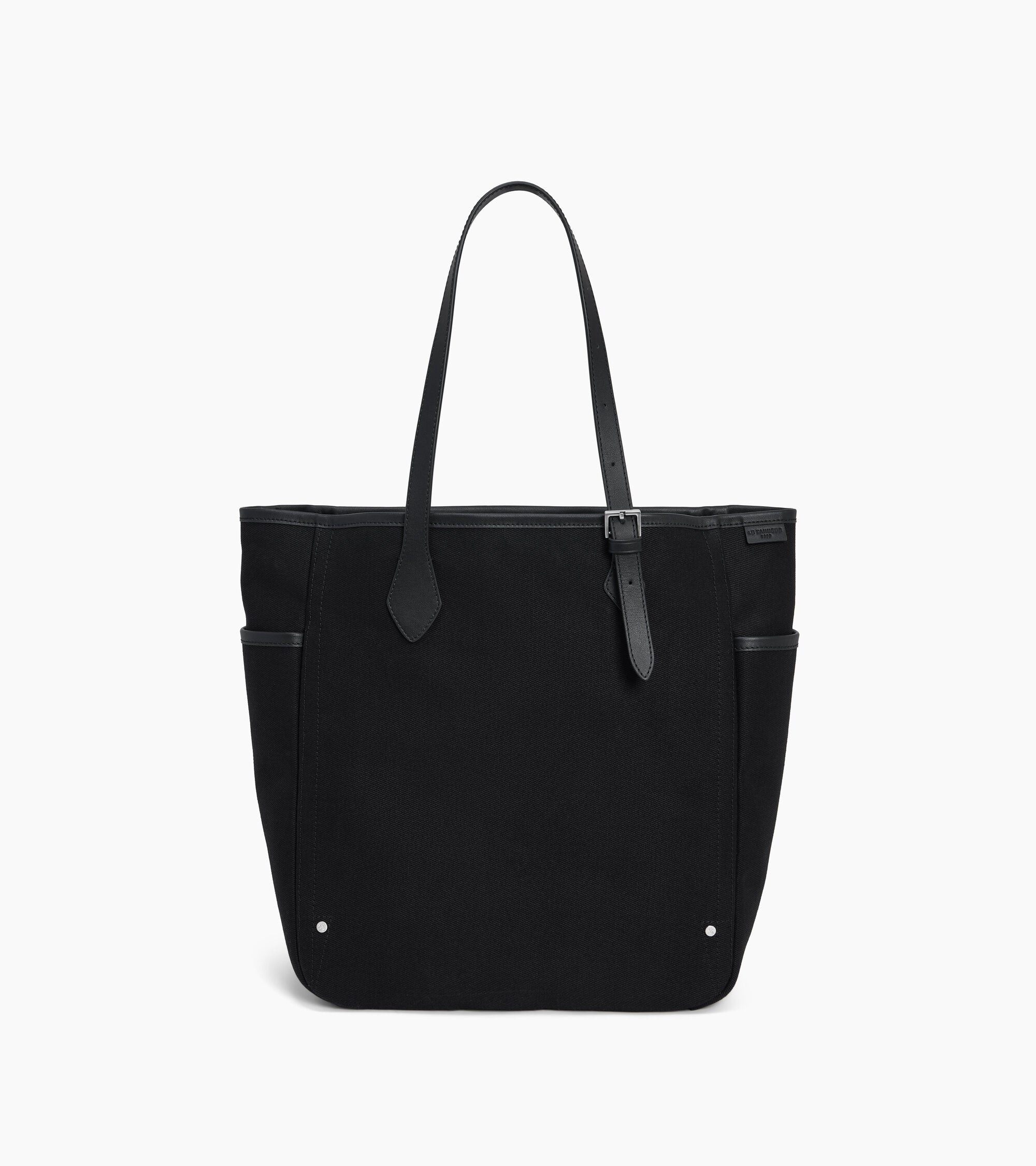
We quite quickly decided on large three‑dimensional sculptures that would occupy the window space, with incisions that are not too dense. A fairly simple, raw, understated gesture. The different elements can interlock, with the idea that both the paper and the leather can be perceived, depending on whether you are inside the boutique or outside. There was also the idea of creating kinds of cocoons or nests that envelop the bags and objects in the display. This allowed me to find new ways of working and to discover new gestures.

What did you enjoy about this collaboration?

I always work with repurposed leather that I find in recycling workshops. In this collaboration, I particularly enjoyed working with dormant stocks of unused leather. What I also liked was that the large installations created for this project responded to a scenographic need. I really love the idea of placing my creations in a space alongside other elements, like the bags. For me, these are also small sculptures born from incredible craftsmanship, which I greatly admire.

Discover the full interview