What are small leather goods?
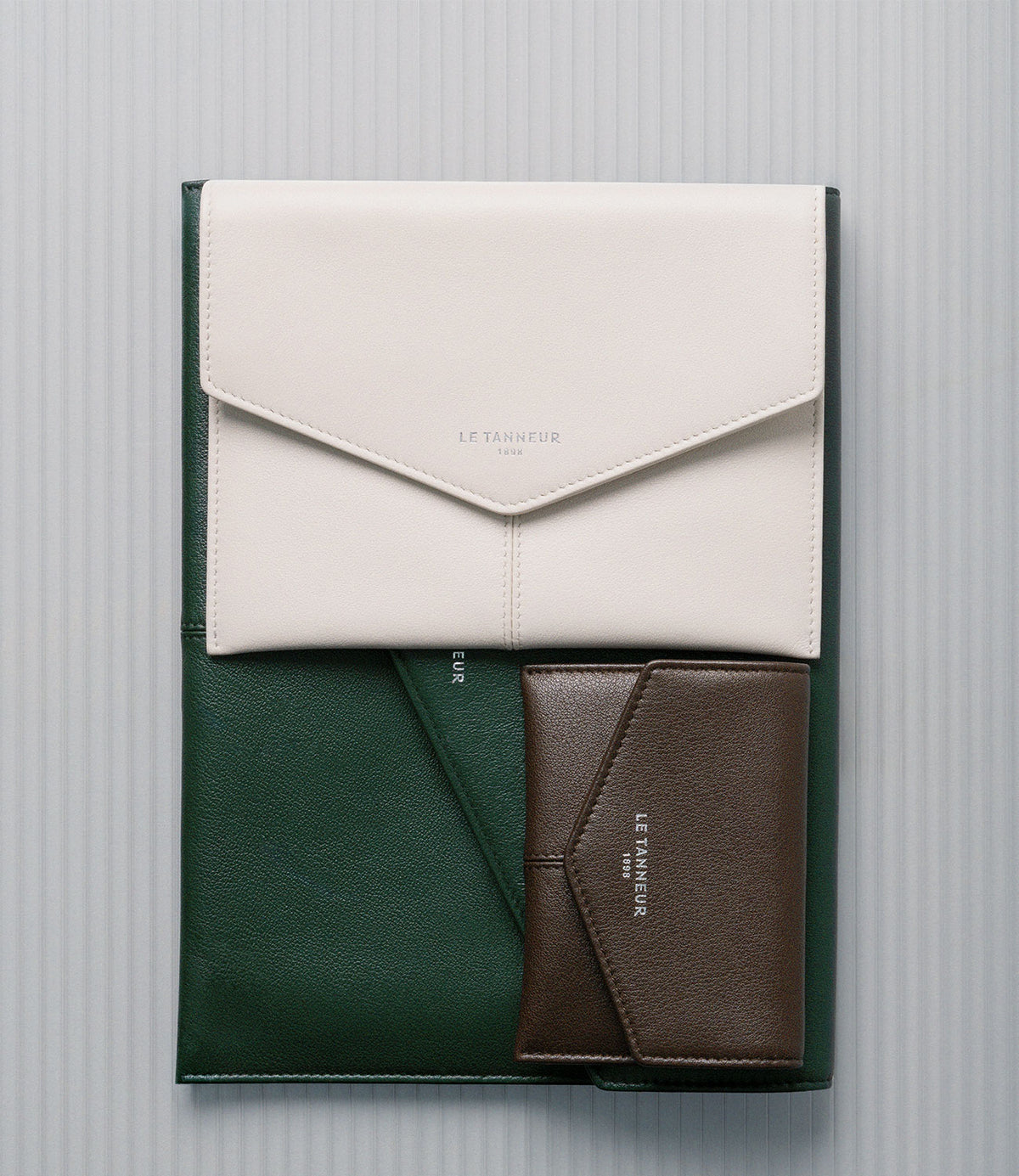
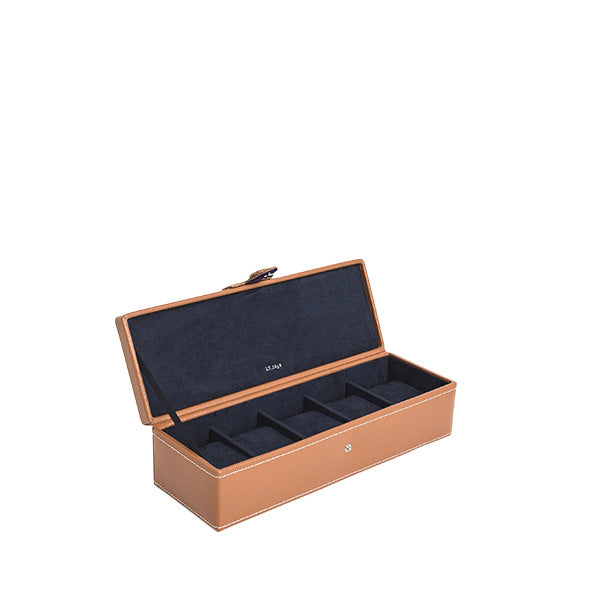
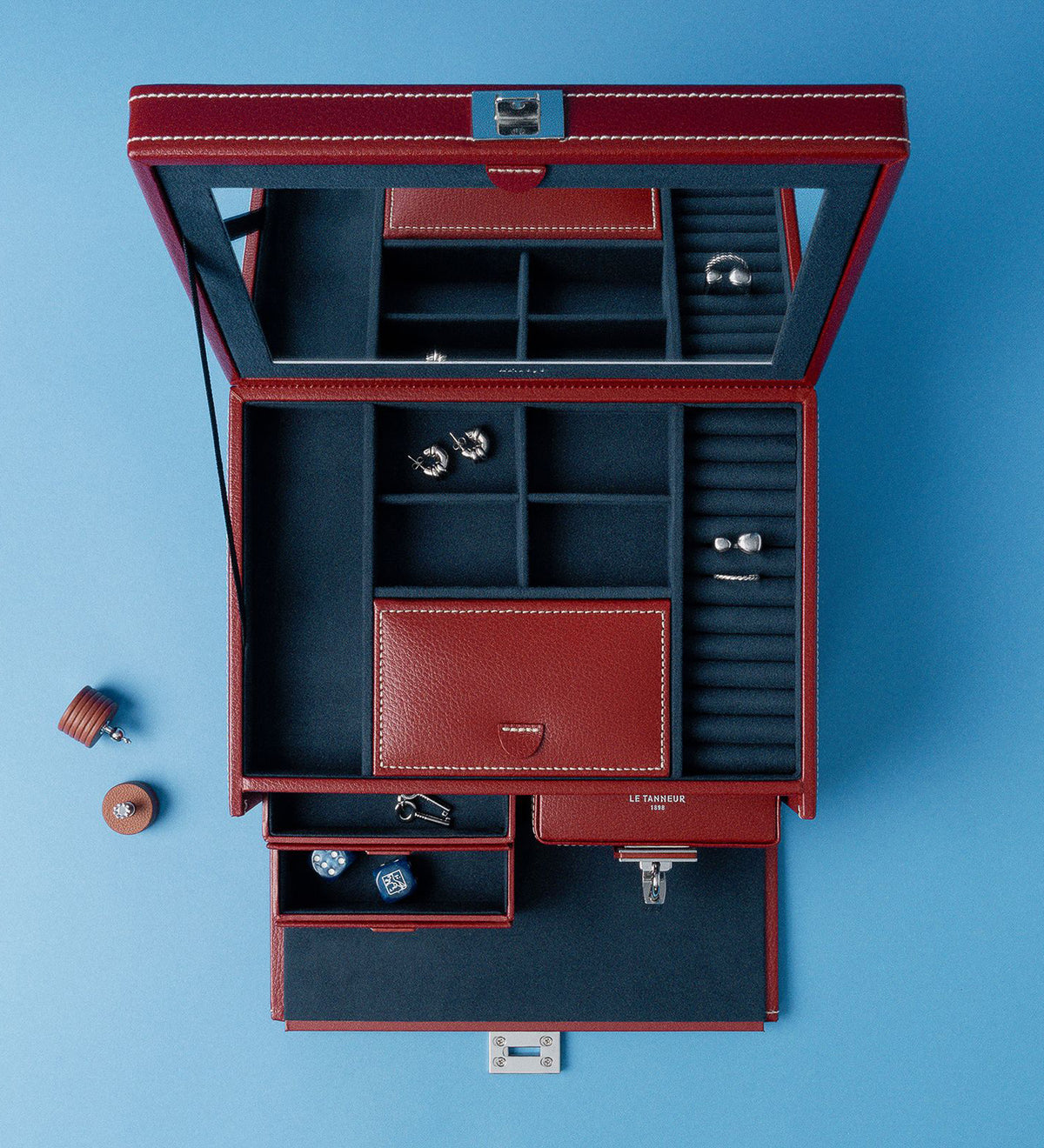
Small leather goods refer to all small leather pieces distinct from bags and luggage. Wallets, card holders, coin purses, key cases, passport holders, pouches, jewellery boxes: pieces designed to organise everyday life, or simply the inside of a bag.
The distinction with large leather goods is mainly a matter of format and use. Where a bag structures a silhouette, a small leather piece is discreet, intimate. These functional objects build a quiet attachment over time, and that attachment is what gives them lasting value.
At Le Tanneur, small leather goods sit at the heart of the house's craftsmanship. The story begins in 1898 with the creation of the Sans Couture. coin purse — a seamless design that remains in production today, built with the same methods passed down from generation to generation.
The main categories and their uses
Small leather goods fall into three main categories, each answering a distinct everyday need, plus a broader family of specialty pieces.
A signature category at Le Tanneur, the coin purse is dedicated to coins and small notes. It can be carried alone, or alongside a card holder — a setup favoured by those who prefer a separated organisation. Some models combine coin purse and card holder, like our Charlotte or Albertine lines.
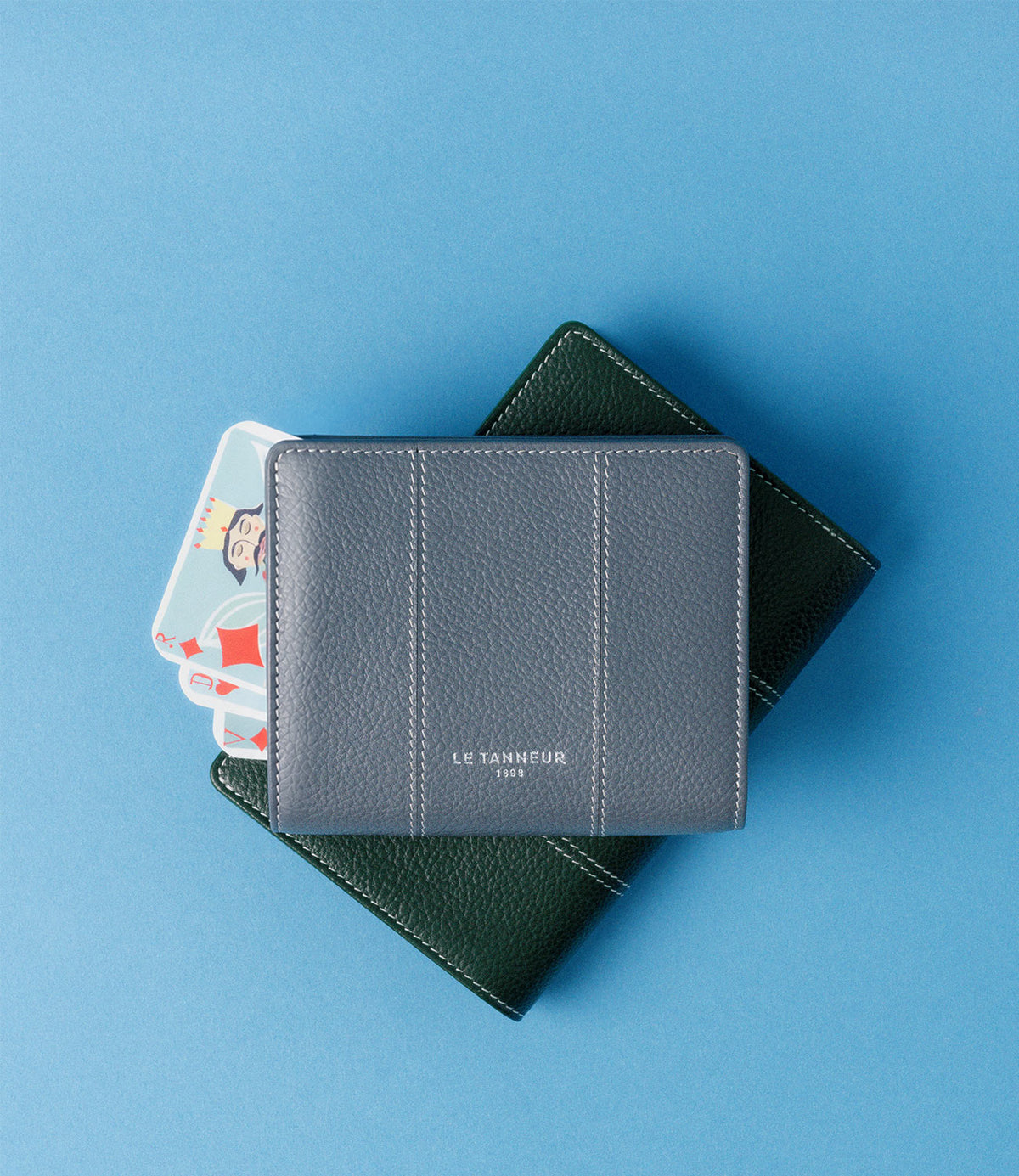
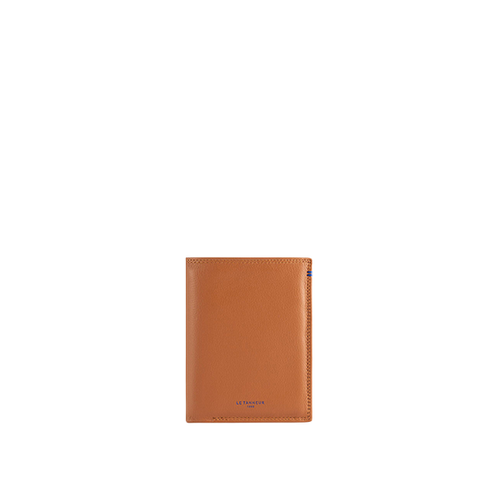
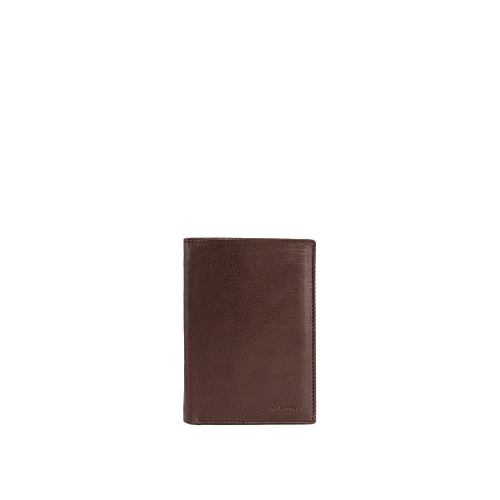
The most complete piece in the category, the wallet brings everything together in a single object: cards, notes, coins, identification. It comes in compact and long formats, with or without a zipped coin compartment. Its use is daily, and its footprint varies by format. All Le Tanneur wallets have a notes compartment calibrated to accommodate GBP, EUR, and USD notes without folding or creasing.
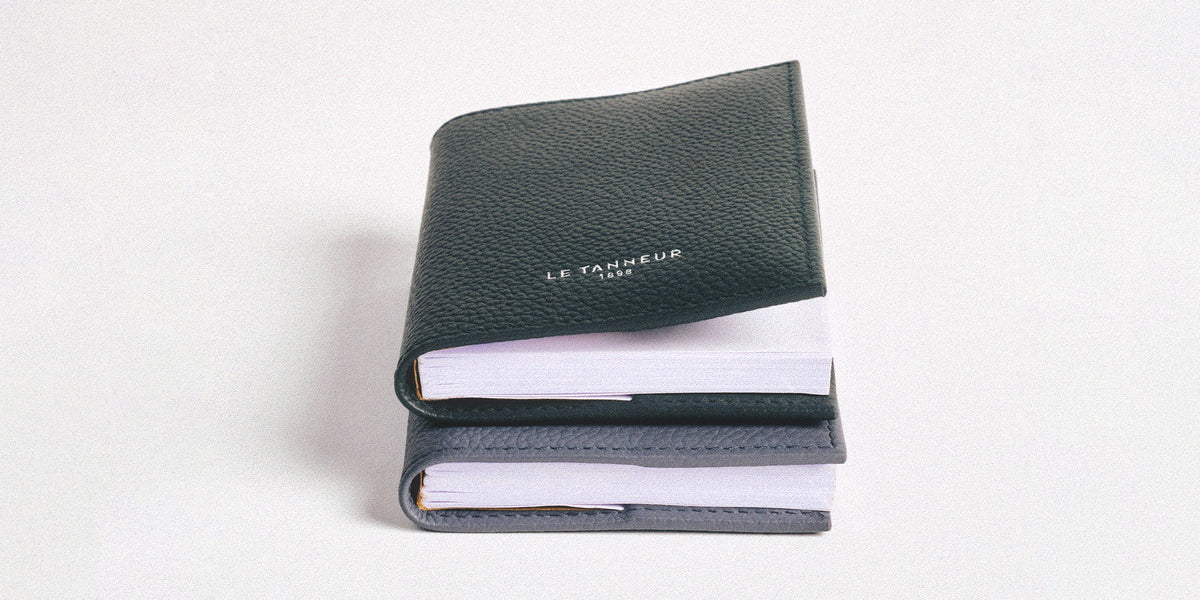
Thinner and lighter, the card holder answers a minimalist use. It holds between 4 and 12 cards depending on the model, sometimes a few folded notes. It fits men who want to reduce bulk in their pocket, and women who need a piece that slides into the smallest bags. Card holders are valued for their discretion and for the way they put the leather itself front and centre: with less structure, the material, grain, and finish do all the work.
- The essentials: beyond the main three
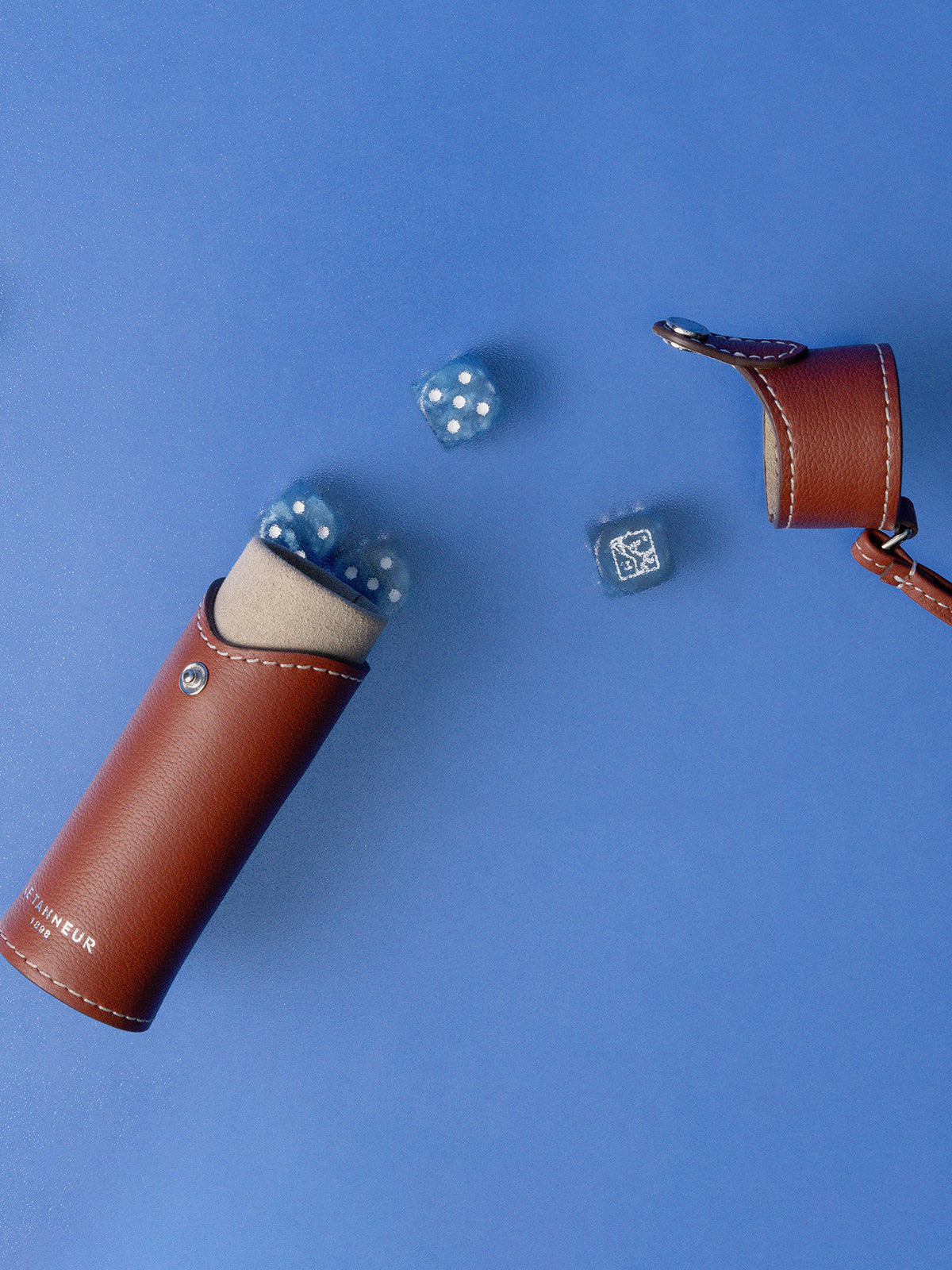
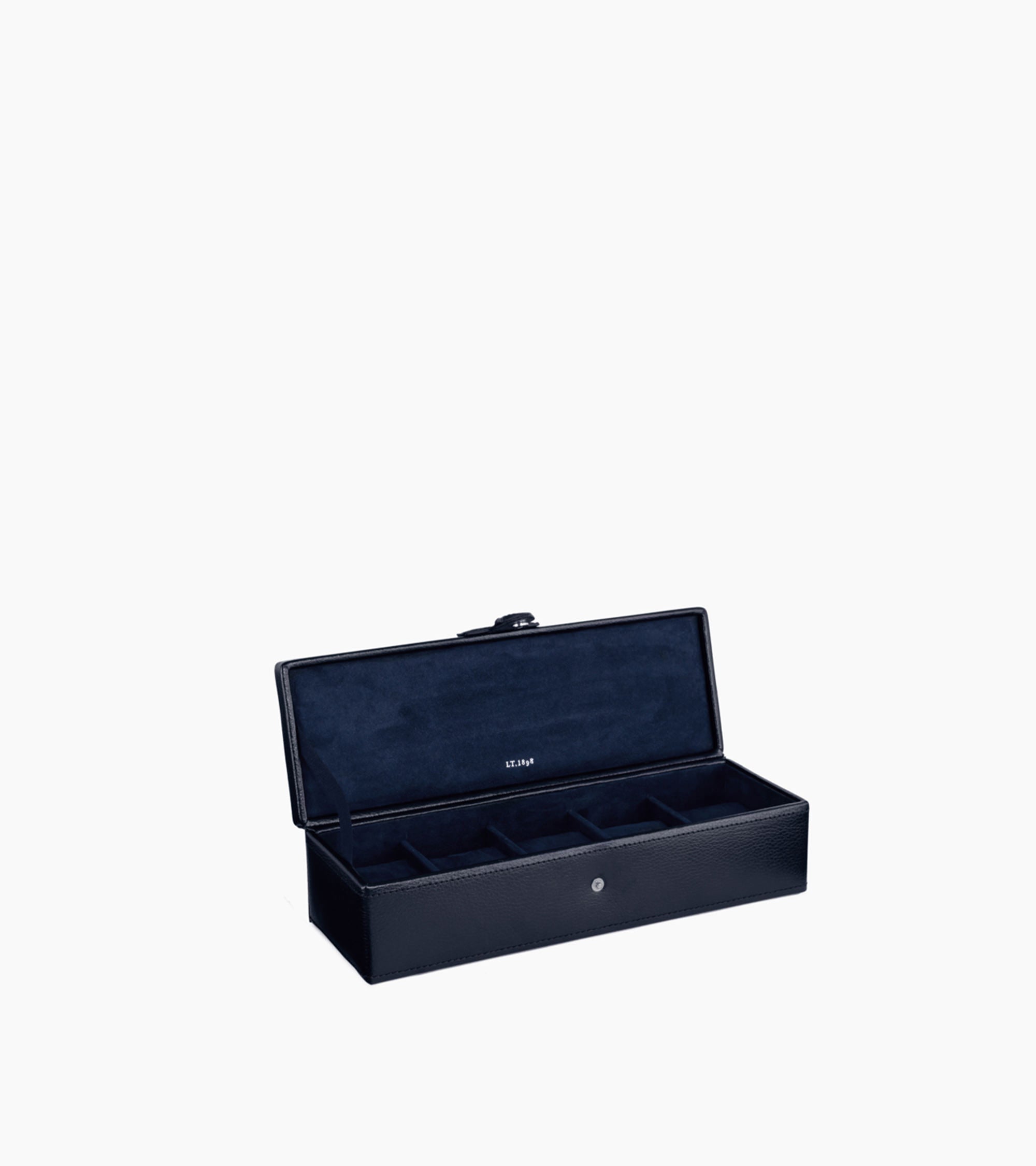
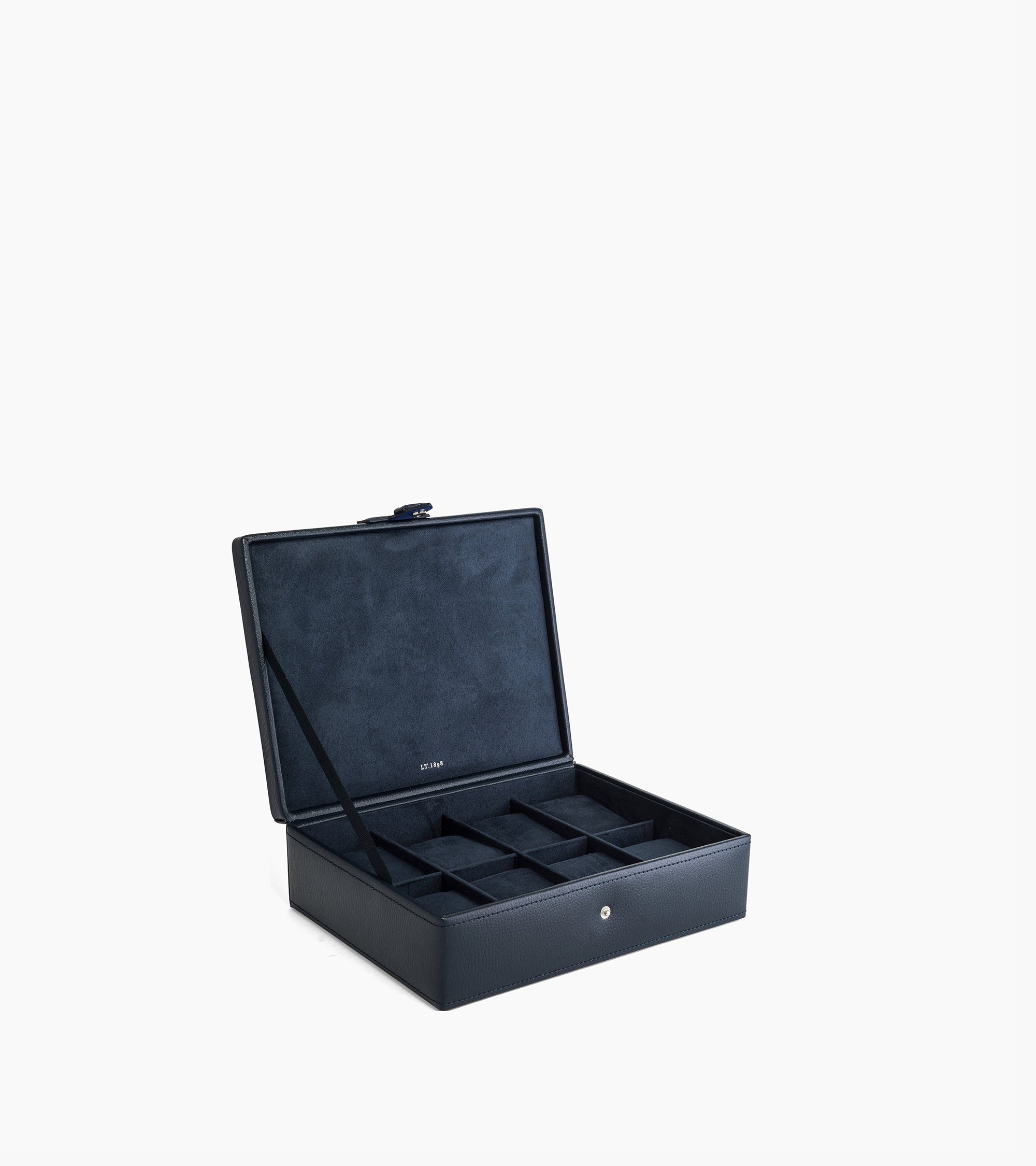
Beyond wallets, card holders, and coin purses, a broader family of small leather pieces completes the category. Passport holders, key cases, glasses cases, jewellery boxes: pieces that answer more specific uses, built with the same leathers and the same construction standards as our core pieces. At Le Tanneur, this family is called Les Essentiels — our everyday leather pieces, each one a response to a specific daily need.
What makes a quality small leather good
Every Le Tanneur piece is designed against a precise specification sheet to guarantee quality and durability. Here are the criteria we use to validate our pieces, and the ones to look for when buying any small leather good.
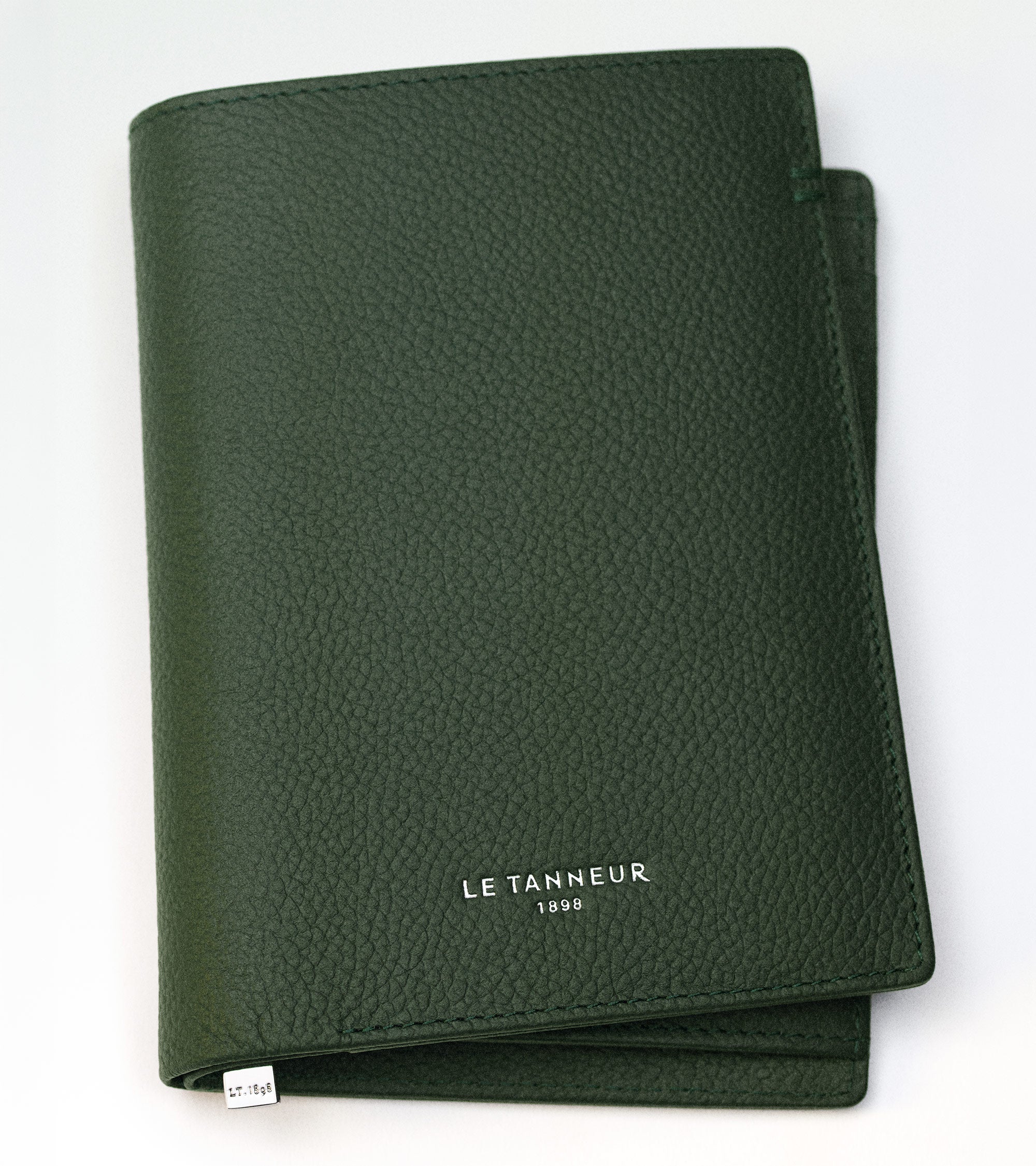
Assessing quality starts with the leather itself. At Le Tanneur, our workshops use only full-grain leather — the most noble part of the hide. Unsanded and uncorrected, its surface keeps the natural grain. It is the leather that ages best, develops the most beautiful patina, and resists daily use the longest.
Full-grain leather can also be embossed, as it is on several of our signature pieces. For a softer, more flexible touch, some pieces use suede, with a sanded surface that offers a different visual and tactile character.
Tanning matters as much as the part of the hide used. At Le Tanneur, we favour vegetable tanning. Made with plant extracts, it produces a firm, breathable leather that patinas naturally. It is also the most environmentally sound tanning method available at scale, and it is the standard for lasting leather goods.
- Construction and craftsmanship
A well-made piece is recognised by its finishing. The edges of the leather, visible on every side of the piece, are a reliable indicator: hand-painted and polished, they signal attention to the details that are not obvious at first glance. Edges painted roughly or left raw reveal factory-grade construction without regard for finish.
Assembly is another marker. The saddle stitch, done by hand with two needles and a waxed thread, is the gold standard of fine leather goods. More resistant than a machine stitch, it will not unravel entirely if one stitch breaks, and it can be repaired by a leatherworker. The saddle stitch has been part of the Le Tanneur workshop since 1898.
The interior lining is just as revealing. A quality cotton, polyester, or leather lining signals a maker who takes care of what you cannot see from outside.
The lifespan of a small leather good depends on three factors: leather quality, construction solidity, and metal hardware. Zips, press studs, rings — these are the first components to wear. Quality metal, properly set, does not loosen and does not tarnish prematurely.
A full-grain, vegetable-tanned leather piece that is cared for properly can last 10 to 20 years, often longer. This is where buying a quality piece becomes an environmentally sound choice: one well-made object, used for 15 years, has a far smaller footprint than four or five low-quality pieces replaced along the way. It is the quiet logic that underpins buying something to last.
A functional piece is one designed for real use. RFID blocking, built into the lining of selected models, protects contactless card data from remote reading attempts. This has become a standard expectation across the UK market, and we build RFID protection into every wallet and card holder in our core lines.
Ergonomics also matter: the layout of card slots, the ease of extracting a card one-handed, the real-world capacity in daily use. These are details that cannot be assessed from a product photo but that determine whether a piece feels right in hand or not.
- Certification and traceability
Leather quality is not always visible to the eye. Certifications offer a reliable indicator of a house's standards on sourcing. The LWG (Leather Working Group) certification guarantees that leather comes from tanneries whose environmental practices have been audited and validated. It covers water management, waste handling, and chemicals used in the tanning process. All Le Tanneur leathers are LWG-certified — a point we hold as non-negotiable.
How to choose by use
The right small leather good is above all a question of use. The same object does not fit every situation, nor every habit. Format, capacity, functionality: these criteria only make sense in light of how you actually use your piece every day.
- The wallet: compact for daily use
The vertical or horizontal wallet remains the reference for daily urban use. In two or three folds (bifold or trifold), it centralises notes, cards, and coins in a format that fits in a pocket. In practice, a wallet measures between 9 and 10 cm in width and between 1 and 2 cm in thickness in normal use. If you have adopted contactless payment and limit your cash use, a card holder with a few notes slots may be enough.
The key is to honestly evaluate how many cards you really carry. Most people do not actively use more than six cards daily, even when they transport more.
- The passport holder and travel leather goods
The passport holder is a natural companion for securing and protecting your most important documents. Some models include card slots, notes compartments, and a dedicated space for travel documents, which allows you to centralise essentials in a single piece. RFID protection is particularly recommended here: airports, train stations, and public transport are where contactless skimming attempts are most frequent. A full-grain leather, resistant to intensive wear and repeated friction, is preferable for a piece subject to heavy use.
- The card holder: the minimalist choice
The card holder is the answer for anyone looking for lightness. Thin and light, it fits in the back pocket of a pair of jeans or in the smallest clutch. The most pared-down models hold only four cards and a few folded notes, which is enough for most daily situations. It is also the format that shows a quality leather at its best: reduced to the essential, the object puts the material, grain, cut, and edge finishing on display.
- The long wallet or clutch: for events and extended trips
A long wallet or an organised pouch offers the capacity needed for an important trip or an evening out. Multiple card slots, a generous notes compartment, an ID window, sometimes a dedicated space for receipts or business cards: these pieces are built for a daily life that requires rigorous organisation. The strength of the metal hardware — zips and press studs especially — is a determining criterion here: under intensive handling, they must hold up over time without loosening or tarnishing.
Care and lifespan
A well-cared-for full-grain leather piece lasts a decade or more. Care is not a constraint — it is what allows the material to develop its character and age with elegance. A soft, dry cloth removes dust and daily residue. A nourishing cream specific to leather, applied two or three times a year, hydrates the material and prevents drying and cracking. Avoid prolonged exposure to humidity, direct heat, and solvent-based products, which irreversibly alter the leather surface.
For light-coloured or smooth leather pieces, waterproofing on first use is strongly recommended. This preventive step protects the surface against moisture and stains without altering appearance or natural breathability. Le Tanneur offers a leather care kit specifically formulated to nourish and waterproof leather in a single application. To be renewed two to three times a year depending on use intensity.
Choosing by profile: men's and women's guides
Small leather goods are not chosen the same way depending on whether you are shopping for yourself or for someone else. Formats differ. Uses differ: pocket wear, pairing with a bag, card capacity, internal organisation, finishing details. All of these deserve a separate conversation.
Discover our Men's Small Leather Goods Guide — formats, slim wallets, card holders, how to choose by daily use.
Discover our Women's Small Leather Goods Guide — bag compatibility, internal organisation, card holder vs. long wallet, colours that age well.
Each guide builds on the fundamentals above and goes deeper into the specifics that matter for one profile.